LinqTV Blog
What is LG WebOS? - Everything You Need to Know
LG WebOS is a Linux-based smart TV OS environment. By 2022, LG WebOS has already captured around 13.8% of the global smart TV market.
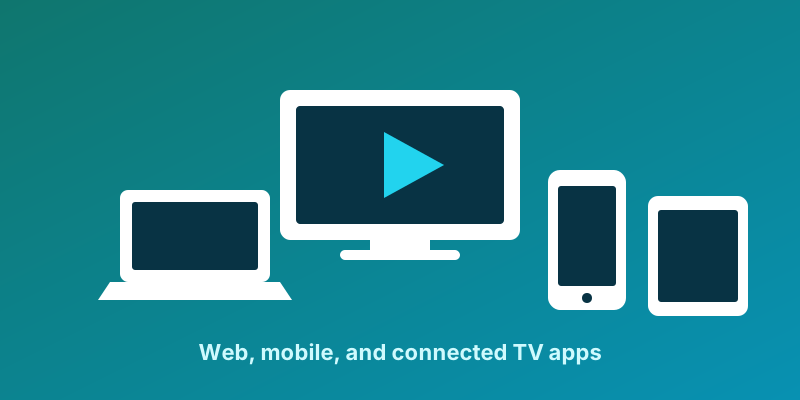
Here is what LG WebOS means in practice, why it matters for multi-device apps, and how to put it to work without rebuilding your stack from scratch.
What you gain
- Single sign-on and shared watch history across every device
- Casting via Chromecast and AirPlay plus game-console apps
- Store-compliant builds and managed certification submissions
- iOS, Android and responsive web from the same content backend
- Native apps for Roku, Fire TV, Apple TV, Android TV, Samsung, LG and more
What happens under the hood
A shared backend powers native apps built to each platform store guideline, so sign-in, entitlements and continue-watching follow the viewer from phone to living-room TV. Each app is tuned to its remote, input model and store certification rules.
A shared backend powers native apps built to each platform store guideline, so sign-in, entitlements and continue-watching follow the viewer from phone to living-room TV. Each app is tuned to its remote, input model and store certification rules.
Practical considerations
- Test real devices, since codec and DRM support varies by model and year
- Design for the remote and 10-foot UI on TV, not just touch
- Budget for store certification timelines on each TV platform
How LinqTV helps
LinqTV ships and maintains native apps for web, mobile and every major TV platform from a single content backend, with shared sign-in and watch history.
Because every module shares identity, billing, metadata and analytics, you avoid brittle point-to-point integrations and ship new features faster.
Questions teams ask
Do I have to build each TV app separately?
Each platform has its own SDK and store rules, but a managed platform builds and maintains them for you from one backend, so you publish everywhere without separate engineering teams.
Can we keep our existing tools?
APIs, webhooks and prebuilt connectors integrate with common CMS, CRM and payment systems, so you extend your stack instead of replacing it.
Where to go from here
Ready to put multi-device apps to work? Explore LinqTV One for an end-to-end streaming platform, or talk to our team for a tailored walkthrough of how LG WebOS fits your roadmap. The links below are a good place to start.
Explore more on LinqTV